• About
  • Shop My Stationery
    • Facebook
    • Instagram
    • Pinterest
    • Twitter

Bethann Renee

  • Home Décor
    • Beach House
    • Bathroom
    • Bedroom
    • Cleaning & Organizing
    • Family Room
    • Garden & Outdoor
    • Home Decor
    • Home Office
    • Home Tour
    • Kitchen & Dining
    • Laundry & Mudroom
    • Paint Colors
    • Renovations
  • Recipes
  • Lifestyle
    • Gardening
    • Travel & Recreation
    • Real Life
    • Business & Blogging
  • DIY & Crafts
  • Seasonal
    • 4th of July
    • Christmas
    • Fall Decorating
    • Halloween
    • Spring Decor
    • Summer Decor
    • Thanksgiving
    • Valentine’s Day
    • Winter Decor
  • About
    • Start Here – Simply Beautiful Living

How to Start Tulip Bulbs Indoors: A Beginner’s Guide to Early Spring Blooms

At Home· Garden & Outdoor

13 Mar

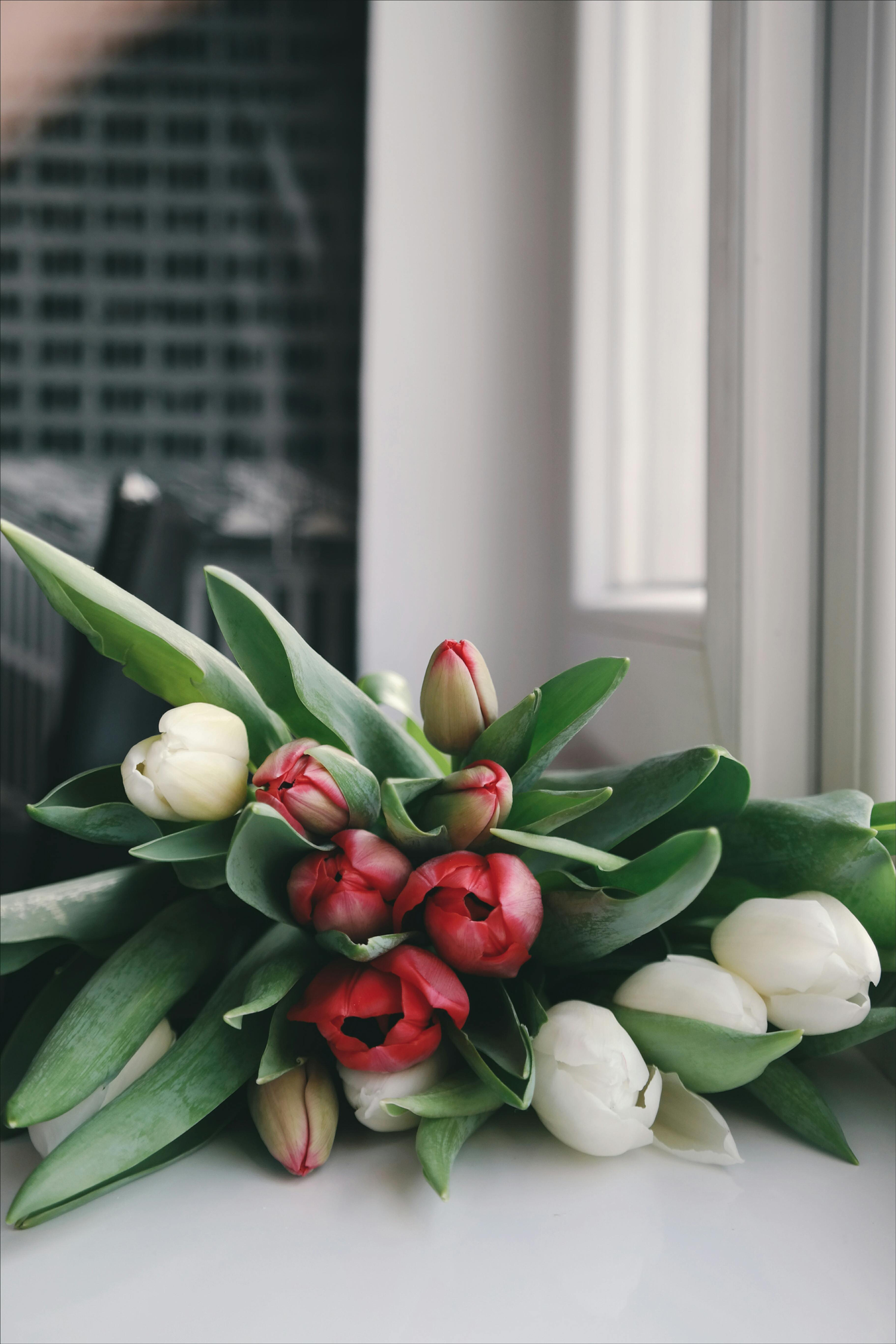
Spring is just around the corner, and what better way to welcome the season than with a burst of vibrant tulips? If you’ve ever dreamed of a garden bursting with color, starting your tulip bulbs indoors can give you a head start, ensuring a more reliable and earlier bloom once the last frost passes. In this post, I’ll share why starting tulip bulbs indoors is a fantastic idea, walk you through the step-by-step process, and offer extra tips to ensure your garden flourishes.

How to Start Tulip Bulbs Indoors: A Beginner’s Guide to Early Spring Blooms

Why Start Tulip Bulbs Indoors?

1. Beat the Frost:
Starting your bulbs indoors protects them from unpredictable late frosts. By controlling the initial environment, you help ensure that your bulbs are ready to thrive when they’re transplanted outdoors.

2. Early Blooms:
Indoor starting can lead to earlier flowering. With a little extra time indoors, your tulips can emerge sooner, brightening up your garden with a splash of color right when spring arrives.

3. Controlled Environment:
When you start your bulbs indoors, you have complete control over light, temperature, and moisture levels. This control allows you to nurture your bulbs in ideal conditions until they’re ready for the great outdoors.

4. Creative Gardening:
Starting bulbs indoors is a fun, hands-on project that not only kickstarts your gardening season but also gives you something beautiful to share and document on your blog. It’s a creative way to experiment with your gardening style, especially if you’re aiming for a cozy, simple look in your outdoor space.


How to Start Tulip Bulbs Indoors: A Beginner’s Guide to Early Spring Blooms

How to Start Tulip Bulbs Indoors

Step 1: Gather Your Supplies

  • Tulip bulbs: Choose healthy, firm bulbs from a reputable source.
  • Containers: Use pots with drainage holes (you can repurpose small planters or even old baskets lined with plastic).
  • Potting mix: A well-draining, quality potting soil.
  • Water: A gentle watering can or spray bottle.
  • Optional: Fertilizer for bulbs (follow package instructions).

Step 2: Prepare the Containers

  1. Fill your containers with potting mix, leaving about 1-2 inches of space at the top.
  2. Make sure your containers have proper drainage so that excess water can escape.

Step 3: Plant the Bulbs

  1. Place each tulip bulb in the pot with the pointed end facing upward.
  2. Cover the bulbs with soil about 2 to 3 times their height. This depth helps the bulb develop strong roots.
  3. Water lightly to settle the soil around the bulbs.

Step 4: Provide the Right Conditions

  • Light: Place your containers in a bright, sunny spot. While tulip bulbs need light to grow, avoid direct, harsh sunlight for extended periods as it can dry out the soil.
  • Temperature: Keep the bulbs in a cool area indoors (ideally between 45°F and 55°F) if possible, to mimic the natural dormancy they’d experience outdoors.
  • Water: Keep the soil lightly moist but never soggy. Over-watering can lead to rot.

Step 5: Transplanting After Frost

Once the threat of frost has passed and the soil in your garden has warmed up, it’s time to transplant your tulip bulbs. Choose a sunny location with well-draining soil. Dig a hole large enough to accommodate the bulb, place it gently, and cover it with soil. With a little patience, your indoor-started bulbs will soon burst forth into glorious blooms!

How to Start Tulip Bulbs Indoors: A Beginner’s Guide to Early Spring Blooms

Additional Tips for Successful Tulip Growth

  • Timing is Key:
    Start your tulip bulbs indoors about 6-8 weeks before the expected last frost date in your area.
  • Rotation:
    If you have multiple pots, rotate them every few days to ensure even growth.
  • Label Your Bulbs:
    Keep track of the varieties and dates you planted them, so you know what to expect when they bloom.
  • Enjoy the Process:
    Document your progress through photos and notes. It’s a rewarding project, and watching your bulbs grow can be a wonderful reminder of the beauty in nurturing life.

How to Start Tulip Bulbs Indoors: A Beginner’s Guide to Early Spring Blooms

Final Thoughts

Starting tulip bulbs indoors is a simple, rewarding project that sets the stage for a burst of spring beauty. Not only does it protect your bulbs from harsh weather, but it also allows you to get creative with your gardening before the season officially begins. Whether you’re an experienced gardener or just starting out, these easy steps can help you create a garden that’s as vibrant and resilient as it is beautiful.

I hope these tips inspire you to try starting your own tulip bulbs indoors this year. Have you ever started bulbs indoors? Share your experiences or questions in the comments below—I’d love to hear your stories!

How to Start Tulip Bulbs Indoors: A Beginner’s Guide to Early Spring Blooms
Tweet
Pin1
Share
1 Shares

Leave a Comment

« Planting the Seeds of Growth: A Beginner’s Guide to Starting Your Vegetable Garden from Seeds
How to Create a Timeless Home That Doesn’t Follow Trends »

Leave a Reply Cancel reply

Your email address will not be published. Required fields are marked *

Recipe Rating


This site uses Akismet to reduce spam. Learn how your comment data is processed.

bethann renee

I’m so glad you are here!

Hello.  Welcome to Bethann Renee Home & Lifestyle (formerly Twig & White). My name is Bethann.  I’m a child of God,  a wife, mom to two basset hound rescues, a designer, business owner, blogger and creative.  I just a regular woman with realistic budgets, doing my best to create a beautiful home and life through thrifting, creativity and lots of DIY.  If you’re a regular gal trying to do the same, let’s be friends.  Grab a cup of coffee, sit back and get inspired.

bethann renee

Stay Connected!

  • Facebook
  • Instagram
  • Twitter

Popular Posts

cozy and festive Christmas bedroom in red

5 Ways to Transition Your Decor from Fall to Christmas (Without Feeling Rushed)

There’s something about a cottage-inspired home that instantly feels welcoming. Maybe it’s the layers of soft fabrics, the warm glow of a lamp in the corner, or the way everyday items are displayed with charm. To me, “cozy” doesn’t mean cluttered — it means creating a space where you can truly relax and enjoy the simple beauty of home. Over the years, I’ve discovered a few essentials that always make our home feel inviting and comfortable. These cozy touches are timeless, affordable, and easy to add no matter the size or style of your home. 🛋️ Soft Layers & Textiles Nothing says cozy like a stack of pillows and a throw draped over the sofa. I love mixing neutral tones with subtle patterns — florals, stripes, or checks — to create that layered, collected look. In bedrooms, a quilt or coverlet at the foot of the bed adds both charm and warmth. Image Suggestion: Wide shot of your living room sofa with throws and pillows layered. Pin-worthy vertical image. 🕯️ Warm Lighting Overhead lighting can feel harsh, so I rely on lamps, sconces, and even candles to create a warm glow. A cottage-inspired home shines with layered lighting — the soft glow of a lamp in the evening makes a room instantly more inviting. Image Suggestion: Close-up of a side table with a lamp, book stack, and candle burning. 🌿 Natural Elements Fresh flowers in simple vases, a basket by the door, a vintage wooden bowl — natural elements bring warmth and texture to a cottage home. Even faux greenery works if you mix it thoughtfully. Image Suggestion: Seasonal arrangement on your entryway table or kitchen counter (sunflowers, hydrangeas, or eucalyptus in fall). 📚 Personal Touches Books, artwork, and vintage finds tell your story. A stack of well-loved novels, a thrifted oil painting, or a collection of blue-and-white dishes make a space feel lived in and personal. Cozy isn’t about buying new — it’s about surrounding yourself with what you love. Image Suggestion: Styled bookcase or coffee table vignette with books + art + personal accents. 🧺 Comfort Underfoot Rugs are one of the easiest ways to add coziness to a room. I love mixing a natural jute or sisal rug with a smaller patterned rug layered on top. It adds instant warmth and that collected, cottage feel. Image Suggestion: Angle of your living room or bedroom showing layered rugs. 🍵 Kitchen Comforts A cozy home isn’t complete without the kitchen. For me, it’s having a favorite mug for my morning coffee, simple linen towels, and a candle flickering while I cook dinner. These small details make the everyday feel special. Image Suggestion: Coffee setup with mugs + candle + linen towel. Conclusion At the end of the day, creating a cozy cottage-inspired home isn’t about following strict rules. It’s about layering soft textures, adding warm light, and filling your rooms with pieces that feel personal and meaningful. These cozy essentials are what make our house feel like home — and I hope they inspire you to create the same in your space.

✨ The Simply Beautiful Life | Vol. 5

how I'm staying active

Moving Through the Season: How I’m Staying Active Indoors as the Days Get Shorter

Copyright © 2026 · Refined theme by Restored 316